
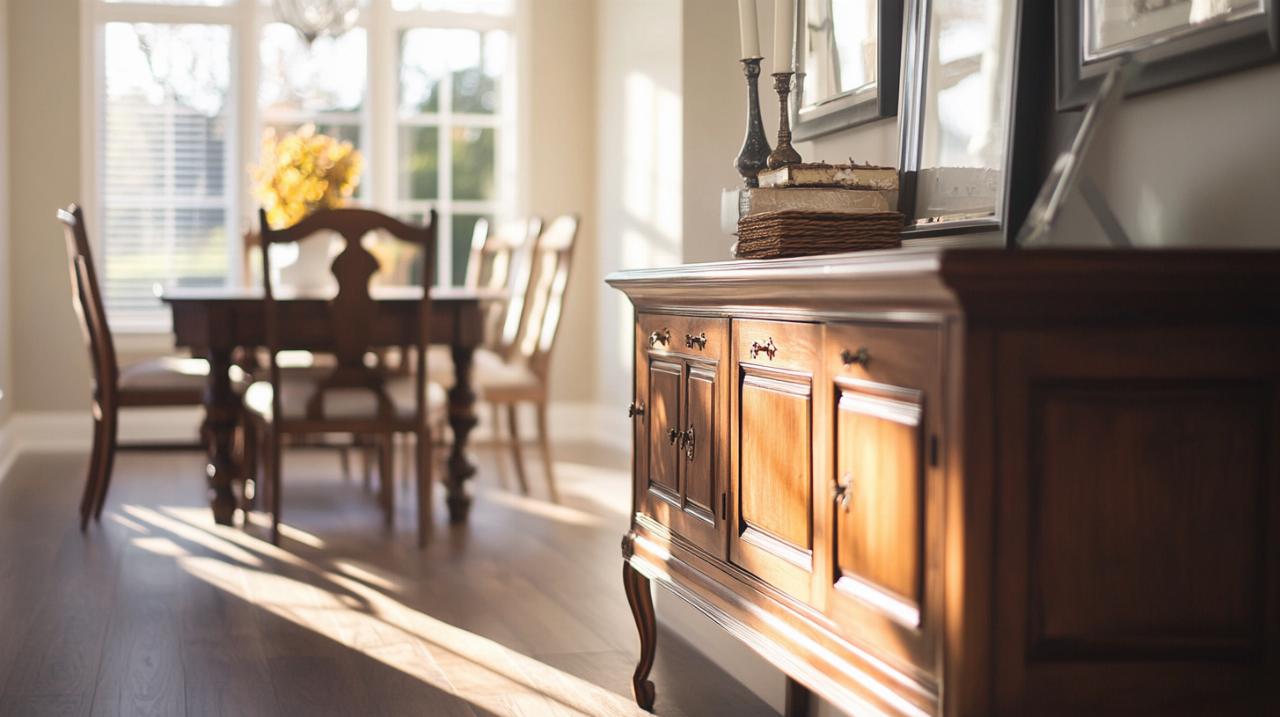
Selecting the perfect solid wood buffet or sideboard for your dining room is more than simply picking an attractive piece of furniture. It requires careful consideration of space, style, functionality, and quality. These versatile storage solutions serve multiple purposes, from housing your finest dinnerware to acting as elegant serving surfaces during dinner parties. Understanding what to look for will ensure your investment enhances both the practicality and aesthetic appeal of your dining area for years to come.
Assessing Space and Dimensions for Your Dining Room
Before committing to any particular buffet or sideboard, taking precise measurements of your dining room is absolutely essential. The piece you choose must fit comfortably within the available space without creating an overcrowded or cramped atmosphere. A sideboard that overwhelms a small room can make the entire space feel oppressive, whilst one that is too modest in a large dining room may appear lost and ineffective. Standard buffet dimensions typically range from thirty to thirty-six inches in height, forty-eight to seventy-two inches in length, and sixteen to twenty inches in depth. However, these measurements should serve merely as guidelines rather than fixed rules. Your specific room layout will ultimately dictate the ideal proportions for your chosen piece.
Measuring your dining room accurately
Accurate measurement extends beyond simply noting the length of the wall where you intend to position your sideboard. Consider the full dimensions of the room, including any architectural features such as radiators, skirting boards, or window frames that might affect placement. Take measurements at multiple points along the wall, as older properties in particular may have walls that are not perfectly straight. Recording the height from floor to ceiling is equally important, especially if you plan to hang mirrors or wall art above the buffet. Creating a scale drawing or using a room planning app can help you visualise how different sized pieces will fit within your space before making a purchase.
Allowing Sufficient Space for Movement and Chair Clearance
Once you have established that a particular sideboard will physically fit against your chosen wall, you must then consider the practical flow of movement around your dining room. There should be adequate space behind pulled-out dining chairs to allow guests to rise comfortably from the table without colliding with the buffet. Interior design experts generally recommend leaving at least ninety to one hundred and twenty centimetres between your dining table and any surrounding furniture. This clearance ensures that people can move freely around the room, serving food or accessing storage without awkward manoeuvring. If your dining room also serves as a thoroughfare to other areas of your home, factor in additional space to maintain an unobstructed pathway.
Matching Style and Design to Your Existing Décor
The visual harmony between your new sideboard and existing dining room furniture plays a crucial role in creating a cohesive, well-designed space. A buffet that clashes stylistically with your dining table and chairs can disrupt the entire aesthetic of the room, whilst one that complements these elements will enhance the overall atmosphere. Whether your preference leans towards traditional elegance, contemporary minimalism, or something between these extremes, the sideboard you select should reflect and reinforce your chosen design direction.
Complementing your dining table and chairs
Although matching your sideboard precisely to your dining furniture is not strictly necessary, there should be some visual connection between the pieces. If your dining table is crafted from rich walnut with turned legs and traditional detailing, a sleek, glass-fronted contemporary sideboard would likely appear incongruous. Conversely, a heavily ornate buffet might look out of place alongside a simple Scandinavian-style dining set. Look for common elements such as similar wood tones, complementary hardware finishes, or echoing design motifs. These subtle connections create visual cohesion without demanding an exact match. Some homeowners successfully mix styles by choosing a sideboard in a contrasting but complementary design, which can add interest and personality to the space when done thoughtfully.
Choosing between traditional and contemporary aesthetics
Traditional sideboards often feature ornate carvings, raised panel doors, decorative mouldings, and classic hardware such as brass or bronze handles. These pieces tend to be substantial in appearance and are typically crafted from darker woods such as mahogany or cherry. Contemporary designs, by contrast, favour clean lines, minimal ornamentation, and often incorporate mixed materials including metal and glass alongside wood. Mid-century modern sideboards split the difference, offering sleek profiles with warm wood tones and subtle retro details. Industrial styles combine reclaimed wood with metal frames and hardware for an urban, loft-inspired aesthetic. Consider not only your personal taste but also the architectural character of your home when choosing between these styles. Period properties often suit traditional or mid-century pieces, whilst modern homes provide the perfect backdrop for contemporary designs.
Understanding wood types and finish options
The type of wood used in your sideboard's construction significantly impacts both its appearance and longevity. Solid wood furniture represents a substantial investment, but the natural beauty and durability it offers justify the expense for many homeowners. Different wood species possess distinct characteristics in terms of colour, grain pattern, hardness, and resistance to wear. Understanding these differences will help you select a piece that not only looks beautiful but also stands up to the demands of daily use in a busy dining room.
Evaluating Durability and Natural Beauty of Different Woods
Oak remains one of the most popular choices for dining room furniture, prized for its strength, distinctive grain pattern, and versatility. It accepts stains and finishes well, making it suitable for both traditional and contemporary designs. Walnut offers rich, dark tones with an elegant grain that adds sophistication to any dining space. Pine provides a lighter, more affordable option with a rustic charm, though it is softer and more susceptible to dents and scratches than hardwoods. Mahogany and teak represent premium choices, offering exceptional durability and stunning natural colouring that deepens beautifully with age. When evaluating different woods, consider not only the initial appearance but how the wood will age and develop character over time. Some woods darken with exposure to light, whilst others may fade slightly, and these changes contribute to the unique patina that makes solid wood furniture increasingly beautiful with age.
Selecting finishes that resist daily wear and spills
The finish applied to your sideboard provides essential protection against the inevitable spills, scratches, and general wear that occur in a dining environment. Modern finishes range from traditional oils and waxes to advanced polyurethane and lacquer coatings, each offering different levels of protection and maintenance requirements. Oil finishes penetrate the wood to enhance its natural beauty whilst providing moderate protection, though they require periodic reapplication to maintain their effectiveness. Waxed finishes offer a soft lustre and pleasant tactile quality but need regular buffing to look their best. Polyurethane and lacquer finishes create a more durable protective barrier that resists moisture, heat, and scratches effectively, making them ideal for surfaces that will see frequent use. Consider how you plan to use your sideboard when selecting a finish. If it will serve primarily as a serving surface during meals, a more robust finish will prove practical, whereas a piece used mainly for display might suit a more natural finish that showcases the wood's beauty.
Determining your storage requirements
One of the primary functions of any buffet or sideboard is providing storage for dining room essentials, and carefully assessing your storage needs before purchasing will ensure the piece you choose serves you well. Different configurations of drawers, cupboards, and shelving suit different storage requirements, and identifying what you need to store will guide you towards the most appropriate design. Consider not only your current storage needs but also how these might evolve, particularly if you enjoy entertaining and gradually add to your collection of serving pieces and tableware.
Organising cutlery, linens, and tableware
Drawers prove invaluable for storing cutlery, table linens, and smaller items that might otherwise become disorganised in open shelving or cupboards. Look for drawers with dividers or organisers that keep cutlery neatly separated and easily accessible. Deeper drawers can accommodate folded tablecloths and napkins, protecting these textiles from dust whilst keeping them wrinkle-free and ready for use. Cupboard space with fixed or adjustable shelving provides ideal storage for dinner services, serving platters, and glassware. Glass-fronted cupboards allow you to display your finest pieces whilst protecting them from dust and damage, combining storage with decorative display. Consider the size and quantity of items you need to store when evaluating different configurations. If you own several large serving platters or tureens, ensure the shelving offers sufficient height and depth to accommodate these items comfortably.
Benefits of Adjustable Shelving and Versatile Storage Solutions
Adjustable shelving offers flexibility that fixed shelving cannot match, allowing you to reconfigure the interior of your sideboard as your needs change. This adaptability proves particularly valuable if you gradually add to your collection of tableware or if you use your sideboard to store different items throughout the year. Some sideboards feature removable trays or wine racks that can be added or removed as needed, providing additional versatility. Built-in wine storage, whether in the form of a rack or a dedicated compartment, appeals to those who enjoy keeping a selection of wines readily accessible for dining. Consider whether such features would enhance your use of the piece or simply consume valuable storage space that might be better utilised for other purposes. The most effective storage solutions are those that can adapt to your changing needs whilst keeping everything organised and easily accessible.
Setting and managing your budget
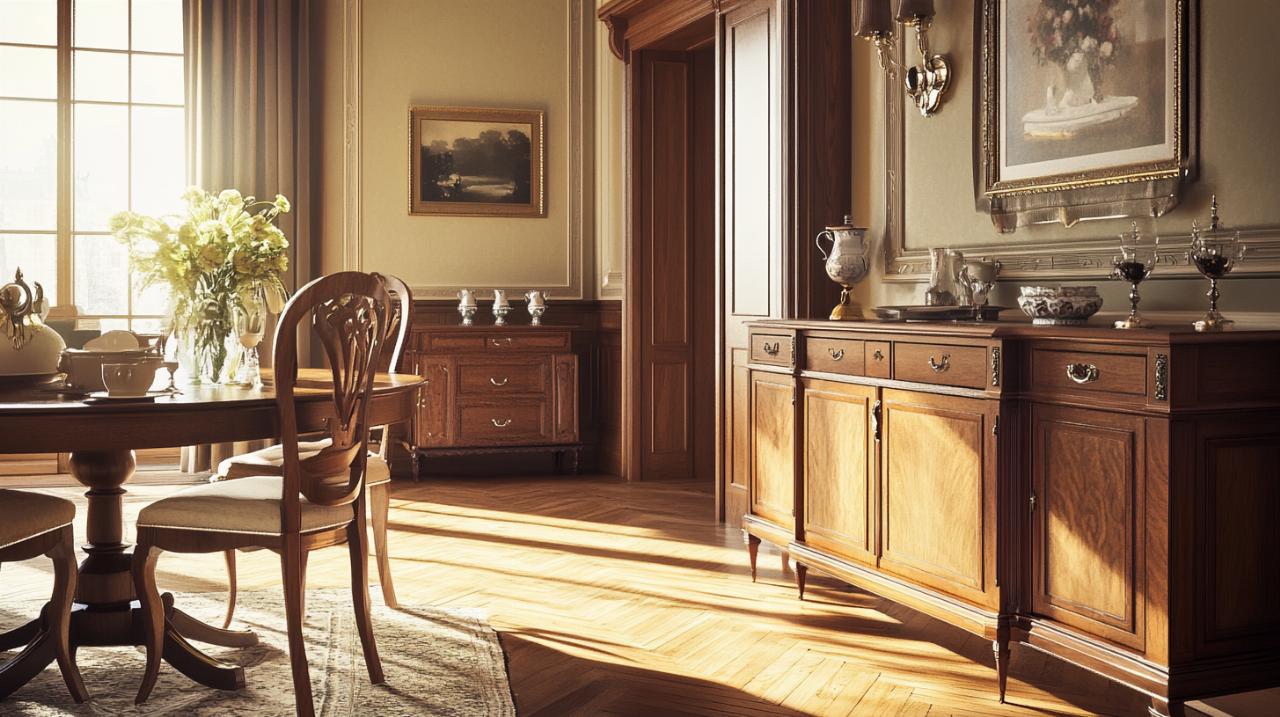
Solid wood furniture represents a significant investment, and establishing a realistic budget before you begin shopping will help focus your search and prevent overspending. Quality craftsmanship and premium materials command higher prices, but these pieces offer superior durability and timeless appeal that can justify the additional expense. Understanding what constitutes good value in furniture shopping will help you make an informed decision that balances cost with quality.
Investing wisely in quality solid wood furniture
When considering the cost of a solid wood sideboard, it helps to view the purchase as a long-term investment rather than simply an expense. A well-made piece constructed from quality materials will serve you reliably for decades, potentially becoming a cherished family heirloom passed down through generations. By contrast, cheaper alternatives constructed from engineered wood products or with inferior joinery may need replacing within a few years, ultimately proving more expensive over time. Quality indicators include dovetail joints in drawer construction, solid wood backing rather than thin plywood or hardboard, and substantial, smoothly operating hardware. These details may not be immediately apparent but significantly impact the longevity and functionality of the piece. When comparing prices, ensure you are making like-for-like comparisons in terms of materials, construction quality, and dimensions rather than simply choosing the lowest price.
Comparing prices across different retailers
The same or very similar sideboards can vary considerably in price depending on where they are sold, making it worthwhile to shop around before committing to a purchase. Online retailers often offer competitive pricing due to lower overheads, whilst traditional furniture shops provide the advantage of seeing and examining pieces in person before buying. Seasonal sales and clearance events present opportunities to acquire quality furniture at reduced prices, though the selection may be more limited. Many retailers offer finance options or payment plans that can make higher-priced pieces more accessible, though it is important to understand the terms and any interest charges associated with such arrangements. Some shops provide price-matching guarantees or will negotiate on price, particularly for floor models or when purchasing multiple pieces. Free delivery and assembly services add value to a purchase, especially for large, heavy items that would otherwise require hiring professional movers. Factor these additional services into your overall cost comparison when evaluating different retailers.
Evaluating Quality of Construction and Craftsmanship
The construction quality of a sideboard fundamentally determines how well it will serve you and how long it will last. Two sideboards that appear similar on the surface may differ dramatically in build quality, with these differences only becoming apparent through close inspection. Learning to recognise the hallmarks of superior craftsmanship will help you distinguish genuinely well-made furniture from pieces that merely look attractive on the showroom floor.
Identifying hallmarks of well-made furniture
Several specific construction details reliably indicate quality furniture. Dovetail joints in drawer construction represent the gold standard, providing exceptional strength and longevity compared to simpler joining methods. These interlocking joints should fit together precisely without gaps, demonstrating skilled craftsmanship. Drawer boxes constructed from solid wood rather than thin plywood will withstand years of use without warping or splitting. Examine how smoothly drawers open and close, as quality furniture features properly aligned runners that operate effortlessly even when fully loaded. Door hinges should feel substantial and allow doors to open and close smoothly without sagging or binding. The back panel of the sideboard should be constructed from solid wood or at least substantial plywood rather than thin hardboard, as this contributes significantly to the overall structural integrity of the piece.
Checking joints, hardware, and backing materials
The joints where different components of the sideboard connect require particular scrutiny, as these points bear the greatest stress during use. Mortise and tenon joints, corner blocks, and proper gluing techniques all contribute to a stable, long-lasting structure. Visible gaps, misaligned components, or joints that flex when pressure is applied suggest inferior construction. Hardware including handles, knobs, hinges, and drawer pulls should feel solid and substantial rather than lightweight and flimsy. Better quality hardware is often made from solid metal rather than hollow or plated materials that may tarnish or break with use. The finish of the hardware should complement the wood and style of the piece whilst being comfortable to grasp and operate. Check that all hardware is securely attached and properly aligned. Any wobbling, loose components, or misalignment indicates either poor initial construction or inadequate quality control.
Considering functionality and practical use
Beyond aesthetics and storage capacity, considering exactly how you will use your sideboard in practice ensures you select a piece that truly meets your needs. Different households use their dining room furniture in different ways, and the ideal sideboard for someone who entertains frequently will differ from that perfect for someone who rarely uses their dining room. Thinking through your typical dining patterns and entertaining style will guide you towards features and configurations that enhance rather than hinder your use of the space.
Using Your Sideboard as a Serving Surface for Entertaining
Many people rely on their sideboard as a serving surface during dinner parties, using the top to set out dishes for buffet-style serving or to hold drinks and condiments during seated meals. If you plan to use your sideboard in this way, ensure the surface is sufficiently large and at an appropriate height for comfortable serving. The standard height of thirty to thirty-six inches works well for most people, though taller individuals might prefer something slightly higher. Consider whether you need space to place hot dishes directly on the surface, which would require either a heat-resistant finish or the use of trivets and mats. The surface should be easy to wipe clean, as spills inevitably occur during the bustle of serving. Some people prefer a completely clear top surface to maximise serving space, whilst others like to keep decorative items displayed and simply move these temporarily when the surface is needed for serving. Your entertaining style and frequency will determine which approach suits you best.
Exploring additional features like wine racks and removable trays
Many modern sideboards incorporate features designed to enhance their functionality beyond basic storage. Built-in wine racks provide convenient storage for bottles whilst keeping them displayed attractively and readily accessible. These racks might be integrated into cupboard space or feature as an open element of the design. Removable serving trays that rest on top of the sideboard or pull out from within it offer versatility, providing an additional surface that can be carried to the dining table when needed. Some designs include felt-lined drawers specifically for storing silverware, protecting precious pieces from scratches and tarnish. Glass-fronted cupboards with interior lighting showcase your finest pieces whilst making it easy to locate items even in dimly lit rooms. Consider which, if any, of these features would genuinely enhance your use of the sideboard rather than simply adding to its cost. Features you will never use represent wasted money and space that could have been put to better purpose.
Planning for Delivery and Assembly
The practicalities of getting your chosen sideboard into your home and ready for use deserve consideration before finalising your purchase. Large pieces of furniture present logistical challenges, particularly in properties with narrow doorways, tight staircases, or limited access. Understanding your delivery options and any assembly requirements will help avoid unpleasant surprises and ensure a smooth transition from purchase to enjoyment of your new furniture.
Understanding delivery options for large furniture pieces
Most furniture retailers offer delivery services, though the level of service provided varies considerably. Basic delivery typically involves bringing the item to your door but may not include carrying it inside, unpacking it, or removing packaging materials. Standard delivery usually includes bringing the furniture into the room of your choice within your home, though there may be limitations regarding stairs or difficult access. Some retailers impose surcharges for deliveries outside standard postcodes or for properties with access challenges. Free delivery to standard UK postcodes represents significant value, as hiring professional movers independently can be costly. Verify exactly what the delivery service includes and whether any additional charges apply before completing your purchase. If you have particular concerns about access or delivery logistics, discuss these with the retailer beforehand to ensure they can accommodate your situation.
Considering white-glove delivery and assembly services
White-glove delivery services provide the most comprehensive level of support, typically including delivery to your chosen room, unpacking, assembly if required, positioning of the furniture precisely where you want it, and removal of all packaging materials. For large, heavy sideboards, this premium service can prove invaluable, eliminating the physical labour and potential risk of damage involved in manoeuvring substantial furniture pieces. Assembly services are particularly important if the sideboard arrives in multiple components requiring construction, as improper assembly can compromise both the stability and appearance of the finished piece. Professional assemblers have the tools and expertise to ensure everything is put together correctly and securely. Whilst these enhanced services command additional fees, many customers find the convenience and peace of mind they provide well worth the expense. For those lacking the time, physical ability, or confidence to handle delivery and assembly themselves, these services transform furniture buying from a potentially stressful undertaking into a straightforward, enjoyable experience. Retailers such as those found through casaxalon.es and similar platforms often provide detailed information about available delivery options, helping you choose the service level that best suits your needs and circumstances.