
Expressing gratitude is one of those simple yet profound gestures that can transform relationships and brighten someone's day. Whether it's acknowledging a thoughtful gift, a helping hand during a challenging time, or simply the presence of a loved one, saying thank you with sincerity can make all the difference. In our fast-paced world, where text messages and quick replies often replace deeper conversations, taking a moment to convey genuine appreciation can feel like a breath of fresh air. This guide explores how to express heartfelt gratitude in everyday life, offering practical advice on tailoring your thanks to different people and situations, and choosing the right medium to make your words truly resonate.
Mastering the Art of Genuine Appreciation: Beyond Basic Manners
Why authentic gratitude matters more than ever
In an age where digital communication dominates our interactions, the value of authentic gratitude has never been more significant. A hurried thank you in passing or a quick emoji response might tick the box of politeness, but it rarely captures the depth of what we truly feel. When we take the time to express genuine appreciation, we acknowledge the effort, kindness, or generosity that someone has extended towards us. This act of recognition not only strengthens our bonds with others but also fosters a culture of mutual respect and warmth. Whether it's a colleague who stayed late to help you finish a project, a friend who offered a listening ear during a tough time, or a family member who went out of their way to find the perfect present, showing authentic gratitude can turn a simple exchange into a memorable moment. Research suggests that expressing gratitude can also improve our own wellbeing, as it encourages us to focus on the positive aspects of our lives and the people who enrich them.
The psychology behind saying thank you properly
Understanding the psychology behind gratitude can help us express it more effectively. When we say thank you, we are doing more than following social convention. We are validating another person's actions and reinforcing positive behaviour. This acknowledgement can boost the recipient's mood and encourage them to continue their kind actions in the future. Moreover, expressing gratitude activates areas of the brain associated with social bonding and reward, creating a positive feedback loop that benefits both the giver and the receiver. The key to saying thank you properly lies in specificity and sincerity. Rather than offering a generic phrase, mentioning exactly what you are grateful for and why it mattered to you can make your message far more impactful. For instance, instead of simply saying you appreciate a gift, you might explain how it has been useful or how much thought you could tell went into choosing it. This level of detail shows that you have genuinely reflected on the gesture, making your gratitude feel heartfelt rather than obligatory.
Tailoring Your Thanks: Expressing Gratitude to Different People in Your Life
Showing Appreciation to Mates and Family Members
When it comes to friends and family, the way we express gratitude can be more relaxed and personal, reflecting the closeness of these relationships. For your mates, a heartfelt text message or a casual chat over a cuppa can be just as meaningful as a formal note. The important thing is to be genuine and specific about what you are thanking them for. If a friend has been there for you during a difficult period, letting them know how much their support meant to you can deepen your friendship. Mentioning specific moments or actions, such as the time they dropped everything to help you move house or simply listened when you needed to talk, adds a personal touch that generic phrases lack. Family members, too, appreciate when their efforts are noticed and acknowledged. Whether it's your mum who always remembers your favourite meal or your sibling who lent you a hand with a tricky task, taking the time to express your gratitude can reinforce the bonds that hold your family together. A handwritten note can be particularly touching for family occasions, such as birthdays or milestones, as it shows you have invested time and thought into your message.
Professional gratitude: thanking your boss and colleagues
In the workplace, expressing gratitude can have a significant impact on professional relationships and the overall atmosphere of your team. Thanking colleagues for their collaboration or support not only shows good manners but also fosters a positive working environment. If a colleague has helped you meet a deadline or offered valuable advice on a project, acknowledging their contribution can strengthen your working relationship and encourage a culture of mutual support. When it comes to thanking your boss, the tone should remain professional yet sincere. Whether they have provided guidance, recognised your achievements, or supported your career development, expressing gratitude can demonstrate your professionalism and appreciation for their leadership. A well-crafted email or a brief face-to-face conversation can be effective ways to convey your thanks in a work setting. It is also worth noting that expressing gratitude in professional contexts can enhance your reputation and build goodwill, which can be beneficial for your career progression. Colleagues and supervisors who feel appreciated are more likely to continue offering their support and assistance, creating a cycle of positive interactions that benefits everyone involved.
Creative methods for conveying your appreciation
Handwritten notes versus text messages: choosing the right medium
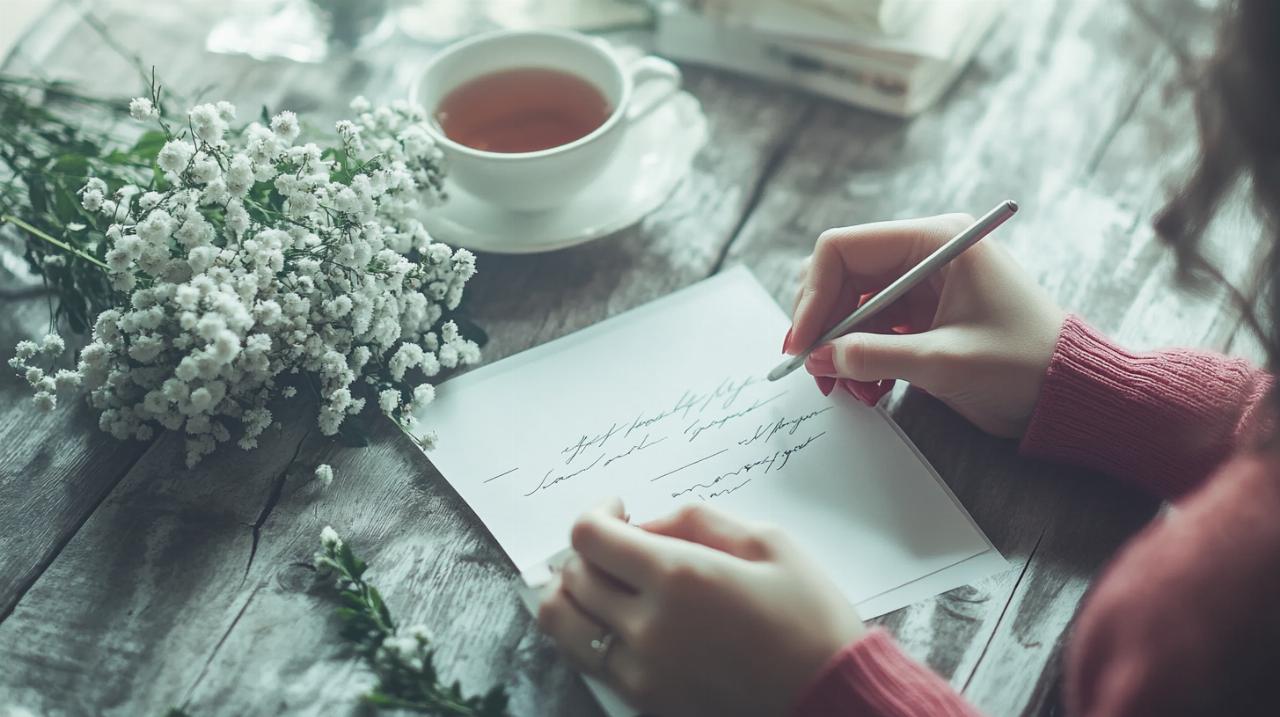
One of the most enduring debates when it comes to expressing gratitude is whether to opt for a handwritten note or a text message. Both have their merits, and the choice often depends on the context and the recipient. Handwritten notes carry a certain charm and personal touch that digital messages struggle to replicate. The act of putting pen to paper, selecting your words carefully, and physically sending a note shows a level of effort and thoughtfulness that can make the recipient feel truly valued. This method is particularly appropriate for significant occasions, such as weddings, graduations, or when someone has given you a meaningful gift. On the other hand, text messages and emails are convenient and immediate, making them ideal for quick expressions of thanks or for situations where speed is important. They are also more practical in professional settings, where a swift email can be just as effective as a longer note. The key is to consider the nature of your relationship with the recipient and the significance of the occasion. For close friends and family, a mix of both methods can work well, with handwritten notes reserved for special moments and text messages for everyday gratitude.
When words aren't enough: thoughtful gifts and gestures
Sometimes, words alone may not fully capture the depth of your gratitude, and this is where thoughtful gifts and gestures come into play. A carefully chosen present can speak volumes about how much you appreciate someone's kindness or support. The key to selecting the right gift is to think about the recipient's preferences and interests. It does not have to be extravagant or expensive; what matters most is the thought behind it. For instance, if a friend has been particularly supportive during a challenging time, you might consider treating them to a meal at their favourite restaurant or organising a day out doing something they love. Similarly, a small but meaningful gift, such as a book by an author they admire or a handmade item, can convey your appreciation in a tangible way. Gestures of kindness, such as offering to help them with a task or simply spending quality time together, can also be powerful expressions of gratitude. These actions demonstrate that you value the relationship and are willing to invest your time and effort to show your thanks. In professional settings, a modest gift or a public acknowledgement of someone's contributions during a meeting can be equally effective in conveying your appreciation. The important thing is to ensure that your gesture feels genuine and appropriate for the situation, reinforcing the message that their actions have not gone unnoticed.