
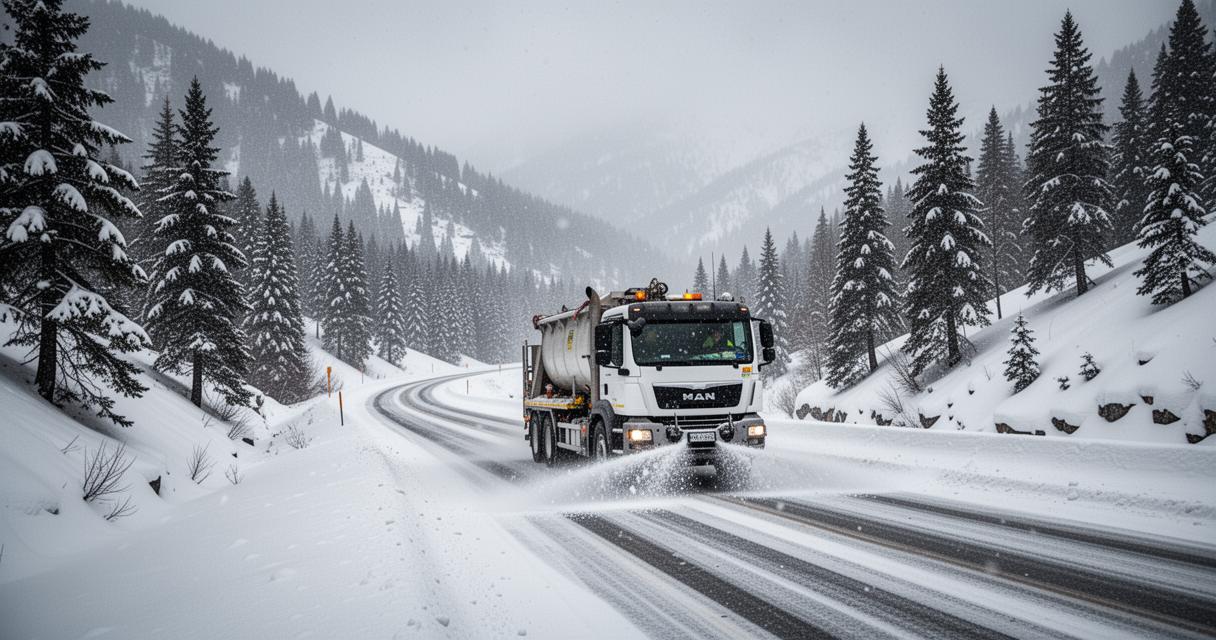
Winter in the United Kingdom brings with it a familiar set of hazards: frozen pavements, icy roads, and the ever-present risk of accidents during the coldest months of the year. Gritting salt has long been one of the most reliable tools in the battle against winter weather, and understanding how it works (and when it works best) can make a genuine difference to road safety and everyday life.
Key takeaways
- Gritting salt functions by creating a brine solution that lowers the freezing point of water, effectively breaking the bond between ice and the road surface.
- The effectiveness of salt significantly decreases when temperatures drop below -8°C, necessitating adjustments in application volume during severe cold.
- Pre-treating roads before ice or snow forms is the most effective strategy for ensuring road safety and preventing dangerous ground frost.
- Failure to adequately grit roads results in significant human costs, including thousands of injuries and several fatalities annually in the UK.
- Drivers and pedestrians experience a notable improvement in safety and surface manageability when de-icing measures are applied to roads and pavements.
- The choice between rock salt and white salt depends on factors such as cost, residue levels, and the specific traffic requirements of the area being treated.
- Maintaining a consistent and well-managed salt supply is essential for councils to effectively respond to the unpredictable nature of winter weather.
How gritting salt works to keep winter roads safe
The Science Behind Salt and Ice: Breaking Down the Freezing Process
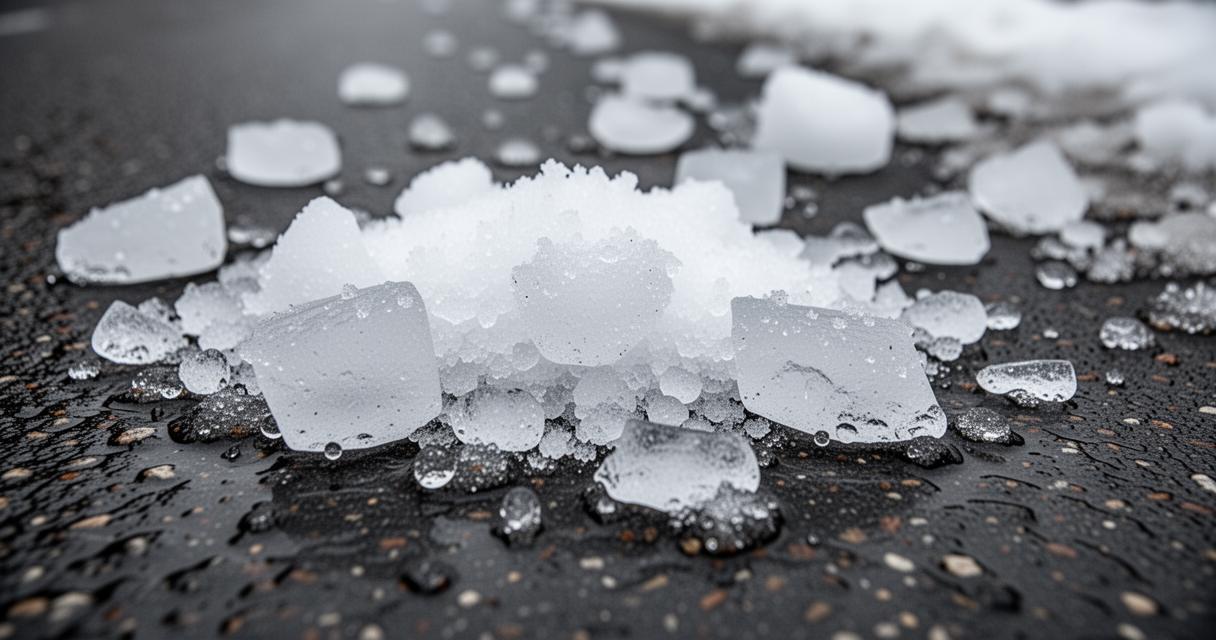
At its core, winter gritting relies on a straightforward but powerful chemical reaction. When rock salt or white salt makes contact with snow or ice on a road surface, it begins to dissolve, producing a liquid solution known as brine. Unlike plain water, brine freezes at a considerably lower temperature, which means it remains liquid even in sub-zero conditions where untreated surfaces would quickly become treacherous. This brine then works its way beneath the layer of snow or ice, breaking the bond between the frozen material and the road itself, turning solid ice into slush that is far easier to clear or drive through safely.
It is worth noting that de-icing agents such as rock salt are most effective at temperatures down to around -5°C, with effectiveness diminishing below -8°C. This means that during particularly severe cold snaps, grit spreading must be carefully managed and the volume of salt adjusted accordingly. In practice, the amount spread varies with temperature: lighter applications suffice at milder sub-zero readings, while significantly heavier spreading is required during the harshest conditions or when snow is actively falling.
When and Where Gritting Salt Makes the Biggest Difference
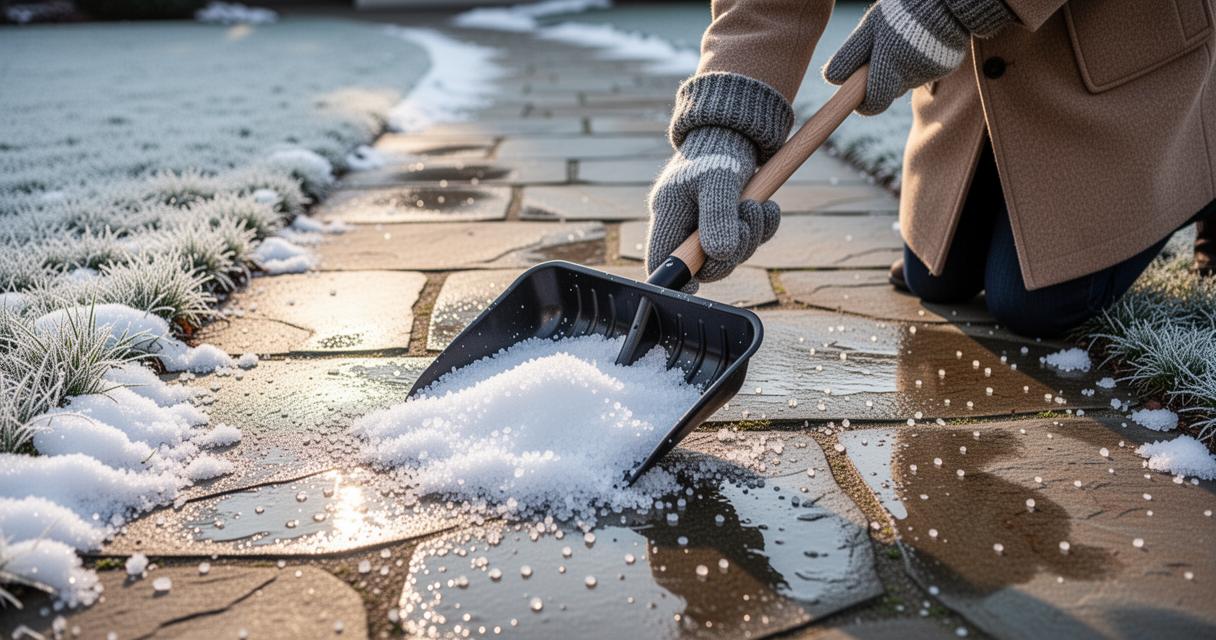
Timing is everything when it comes to effective ice prevention. The winter weather forecast plays a crucial role in deciding when gritters should be deployed. Meteorological guidance suggests that pre-treatment (applying grit salt before ice or snow has a chance to form) delivers the best results. This is particularly important because ground frost can develop even when air temperatures remain above freezing, catching unprepared road users off guard. Monitoring forecasts closely and acting early is, therefore, far more effective than reacting after ice has already formed.
The consequences of failing to grit roads adequately are significant. Icy roads can lead to accidents and injuries, making timely gritting important for road users. Beyond personal safety, disrupted travel during winter road maintenance failures can have wider economic consequences.
Real-World Experiences with Gritting Salt on UK Roads and Pavements
What drivers and pedestrians notice after gritting has been applied
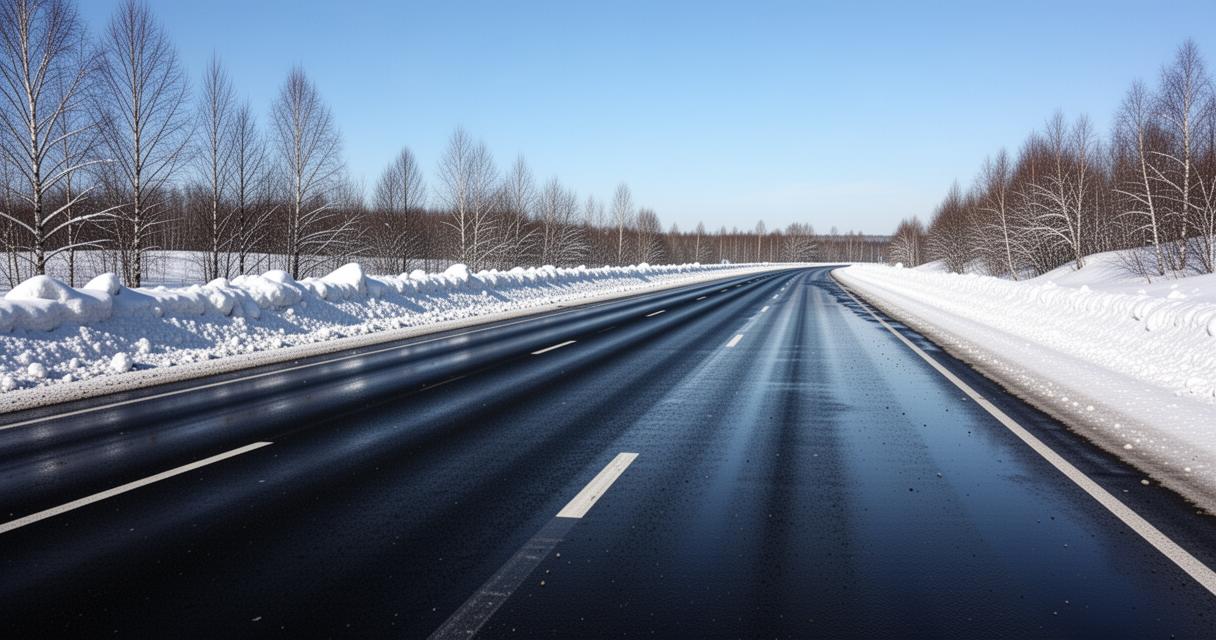
For drivers navigating winter driving hazards, the difference between a treated and an untreated road is immediately apparent. Slippery surfaces that would otherwise demand extreme caution become considerably more manageable after road de-icing has taken place. Pedestrians, too, notice the improvement, particularly on pavements and public areas where snow clearance is combined with salting to reduce the risk of slips, trips, and falls. Large-scale operations, such as those undertaken by county councils managing thousands of miles of road network, demonstrate just how logistically complex (and essential) effective winter gritting truly is.
Choosing the Right Type of Gritting Salt for Different Winter Conditions
Not all grit salt is created equal, and the choice between rock salt and white salt can depend on a range of practical factors. White salt is often preferred for high-traffic areas and locations where appearance matters, as it tends to leave little or no residue once it has done its job. Rock salt, on the other hand, is widely regarded as a cost-effective option for large-scale winter road maintenance, though it may leave some visible residue after the thaw. The quality of salt also varies between suppliers, with certified products offering more consistent moisture levels and granule sizes for reliable performance. Whatever the choice, ensuring a steady, well-managed supply ahead of the winter season is essential, as stocks can be depleted rapidly during prolonged cold spells, with some severe winters consuming far greater quantities than average years.