
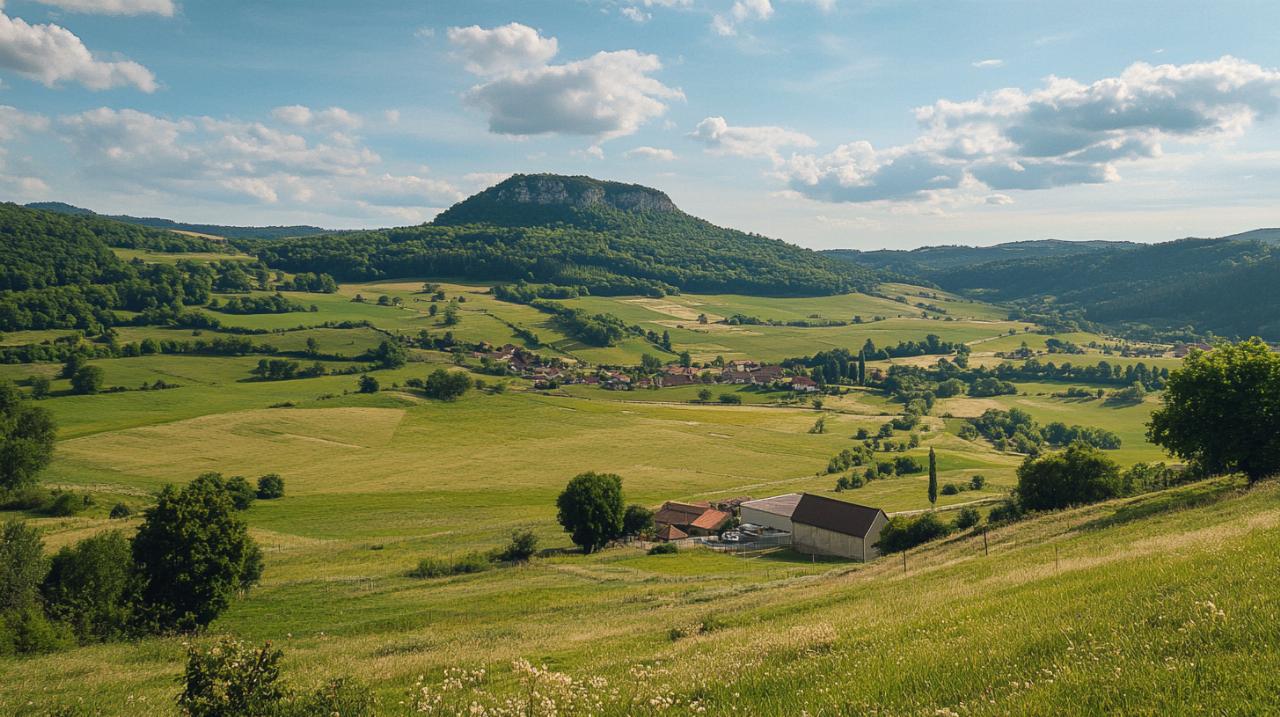
In the heart of the Auvergne region, Coteaux de Randan stands as a testament to the enduring power of artisanal crafts and local enterprise. Nestled in the northeast of Puy-de-Dôme, this area embodies a delicate balance between heritage preservation and modern business development, where workshops dedicated to traditional skills training are becoming vital engines of economic growth and cultural identity. From the rolling plains of Limagne to the neighbouring communes of Beaumont, Saint-Denis, and Bramefant, local businesses weave together a tapestry that connects past and present, serving both residents and visitors seeking authentic experiences. The influence of regional networks extends beyond these communes to Clermont-Ferrand and the broader Rhône-Alpes territory, creating opportunities for artisans and entrepreneurs who are passionate about maintaining France's rich cultural legacy while embracing innovation.
The Role of Local Businesses in Shaping Coteaux de Randan's Community and Heritage
Economic Contributions and Business Networks Across Randan and Neighbouring Communes
Local enterprises in Coteaux de Randan and the surrounding area form the backbone of economic vitality and social cohesion. The businesses here, ranging from traditional craft workshops to food producers and service providers, create employment opportunities that keep the region dynamic and resilient. Across Randan and its neighbouring communes, a network of artisans, bakers, brewers, and other specialists has emerged, each contributing to a collective identity rooted in authenticity and quality. These enterprises are not merely commercial ventures but pillars of community life, often passed down through generations and deeply embedded in local customs.
The role of the Chamber of Crafts of the Auvergne Rhône Alpes region cannot be overstated in this context. As a partner in the MOSAIC project, the Chamber supports over seven thousand arts and crafts professionals across the region, providing guidance on skills development, entrepreneurship training, and digital marketing. This support ensures that local businesses can compete in an increasingly connected marketplace while retaining their unique character. By identifying skills gaps between training and the labour market, the Chamber helps tailor educational offerings to meet the needs of artisans who are committed to preserving traditional skills while embracing contemporary business practices. The impact of these initiatives extends beyond Coteaux de Randan, influencing the broader regional economy and reinforcing the cultural fabric of Auvergne.
Preserving regional heritage through artisanal enterprise and cultural identity
Heritage preservation in this region is not confined to museums or monuments but is an active, living practice sustained by artisans and craftspeople who work with their hands and hearts. The artisanal traditions of Puy-de-Dôme include lava enamelling, glass blowing, stone carving, and cutlery making, each craft reflecting the geological and historical character of the landscape. These specialities are more than economic activities; they embody centuries of accumulated knowledge and cultural identity, passed down through apprenticeship and family tradition. By supporting such enterprises, the community ensures that these skills are not lost to modernisation but instead evolve to meet new challenges while retaining their authenticity.
The connection between artisanal enterprise and cultural identity is particularly evident in the way local producers engage with their customers. Markets featuring regional delicacies, organic producers, honey products, and biscuit makers offer more than goods; they provide a space for storytelling, where artisans share their passion and expertise with visitors. The emphasis on locally sourced products and regional specialities strengthens the bond between people and place, fostering a sense of pride and belonging. This approach is mirrored in the broader Auvergne Rhône Alpes region, where areas like Livradois-Forez, Thiers, Ambert, Billom, and Lezoux celebrate their unique contributions to the cultural mosaic of France. Medieval towns known for Gothic art, ceramics museums, and the production of Fourme cheese and traditional cutlery all highlight the diversity and richness of the region's heritage.
Understanding the Demographic and Geographic Landscape for Craft Business Development
Population Trends and Community Composition: Insights from INSEE Data
Understanding the demographic landscape of Coteaux de Randan is essential for businesses seeking to tailor their offerings and training programmes to the needs of the community. Data from INSEE reveals a community composition that includes men and women across different age groups, each contributing to the social and economic vitality of the area. The population trends indicate a mix of long-standing residents and newer arrivals attracted by the quality of life and opportunities for artisanal work. This demographic diversity provides a rich environment for business development, as artisans can draw on a wide range of skills, experiences, and perspectives.
For businesses, this demographic information helps in identifying target markets and understanding customer preferences. The presence of families, retirees, and young professionals means that training programmes and workshops can be designed to accommodate various skill levels and interests. Craft courses, pottery workshops, bookbinding sessions, and iconography classes attract participants from across the age spectrum, fostering intergenerational knowledge transfer and community cohesion. The willingness of residents to engage with local heritage and support artisanal enterprises reflects a broader cultural appreciation for craftsmanship and quality, values that are deeply ingrained in the fabric of Auvergne society.
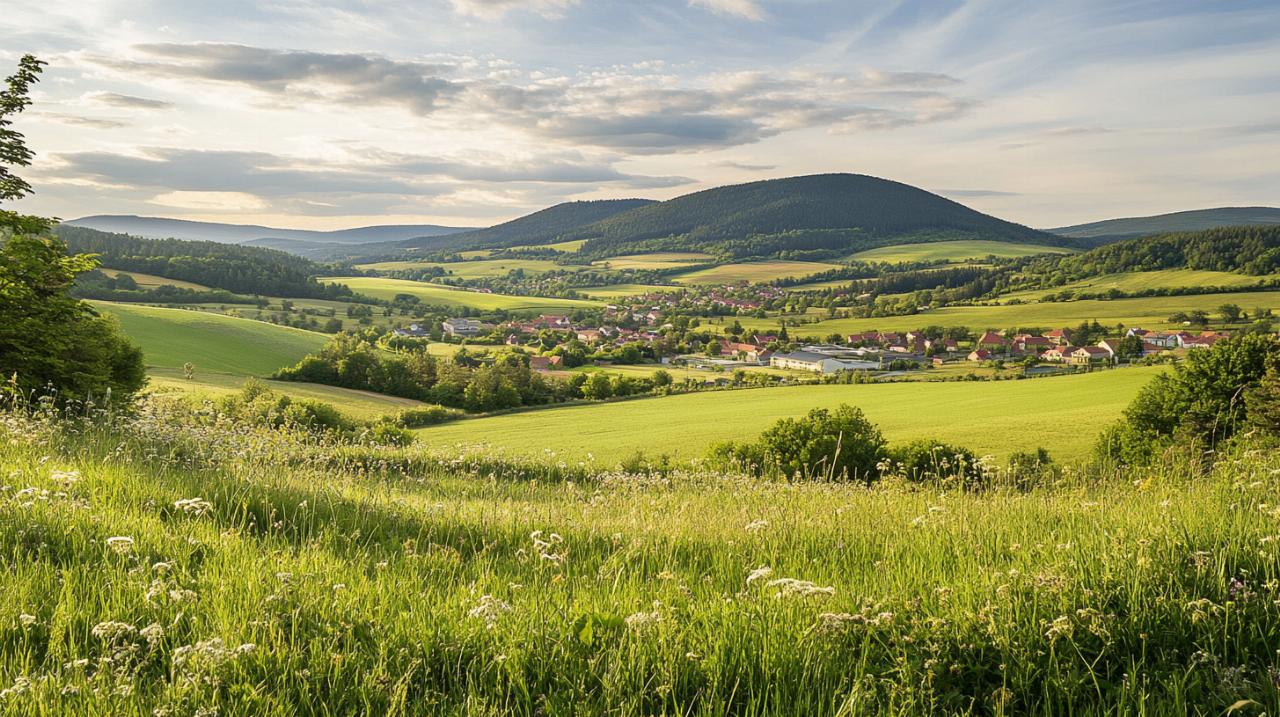
Geographic Features, Road Access, and Land Use Impacting Business Activity in the Limagne Plain
The geographic features of Coteaux de Randan and the surrounding Limagne plain play a crucial role in shaping business activity and accessibility. The plain, characterised by fertile agricultural land and gently rolling hillsides, provides an ideal setting for both farming and artisanal production. The area's geology, influenced by volcanic activity, offers unique materials such as lava stone that artisans use in crafts like enamelling and carving. This distinctive natural resource contributes to the regional identity and provides a competitive advantage for local craftspeople who specialise in these techniques.
Road access, particularly through departmental roads, connects Coteaux de Randan to major urban centres like Clermont-Ferrand and other parts of the Rhône-Alpes region. This connectivity is vital for businesses that rely on tourism, regional networks, and distribution channels to reach wider markets. The availability of geolocation data and information on weather patterns further supports business planning and logistics, enabling artisans to coordinate workshops, farmers' markets, and cultural events with precision. Land use in the area reflects a balance between agriculture, residential development, and commercial activity, with careful consideration given to preserving the landscape and cultural heritage that attract visitors and sustain the local economy.
Training, Skills Development, and Future Opportunities for Artisanal Businesses
Craft Workshops and Skills Training as Catalysts for Local Economic Growth
Craft workshops and skills training programmes have emerged as powerful catalysts for economic growth in Coteaux de Randan and the broader Auvergne Rhône Alpes region. These initiatives, often supported by the Chamber of Crafts, provide artisans with the tools and knowledge needed to thrive in a competitive marketplace. Training modules focus on a wide range of topics, from traditional techniques like pottery, glass blowing, and cutlery making to modern business skills such as digital marketing, online sales, and entrepreneurship. This comprehensive approach ensures that artisans are not only skilled in their crafts but also capable of managing successful enterprises.
The emphasis on preserving traditional skills while embracing innovation is central to the success of these training programmes. By identifying skills gaps and working closely with training centres, the Chamber ensures that courses are relevant and responsive to the needs of the labour market. Artisans benefit from international mobility opportunities that allow them to exchange ideas and techniques with counterparts in other countries, enriching their practice and expanding their professional networks. The impact of these programmes is visible in the thriving community of arts and crafts professionals who contribute to the cultural and economic vitality of the region. Their work supports local tourism, creates employment, and reinforces the region's reputation as a centre of excellence in artisanal craftsmanship.
Connecting Coteaux de Randan to Broader Regional Networks: Clermont-Ferrand and Beyond
The future of artisanal businesses in Coteaux de Randan is closely linked to their integration into broader regional networks. Clermont-Ferrand, as a major urban centre, offers access to markets, resources, and cultural institutions that complement the artisanal enterprises of the surrounding countryside. The connections between Coteaux de Randan and areas such as Riom, Volvic, Châtel-Guyon, and the Bugey vineyards create a web of relationships that support economic development and cultural exchange. These networks facilitate collaboration among artisans, producers, and tourism operators, enabling them to pool resources, share expertise, and promote their collective heritage.
Tourism plays a pivotal role in sustaining these connections. Visitors drawn to the region by attractions such as medieval towns, ceramics museums, walking routes, cycling trails, and mountain biking opportunities also seek authentic experiences that showcase local crafts and regional delicacies. Guided tours, farmers' markets, and events like the Pérouges Medieval Festival and the Ambronay Festival provide platforms for artisans to engage with a wider audience and demonstrate their skills. The availability of information through tourism offices, websites, and digital platforms ensures that potential customers and participants in workshops can easily access details about courses, accommodation, and local producers. This integrated approach, combining cultural heritage, natural beauty, and artisanal excellence, positions Coteaux de Randan and its neighbours as a destination of choice for those seeking to connect with the authentic spirit of Auvergne.