
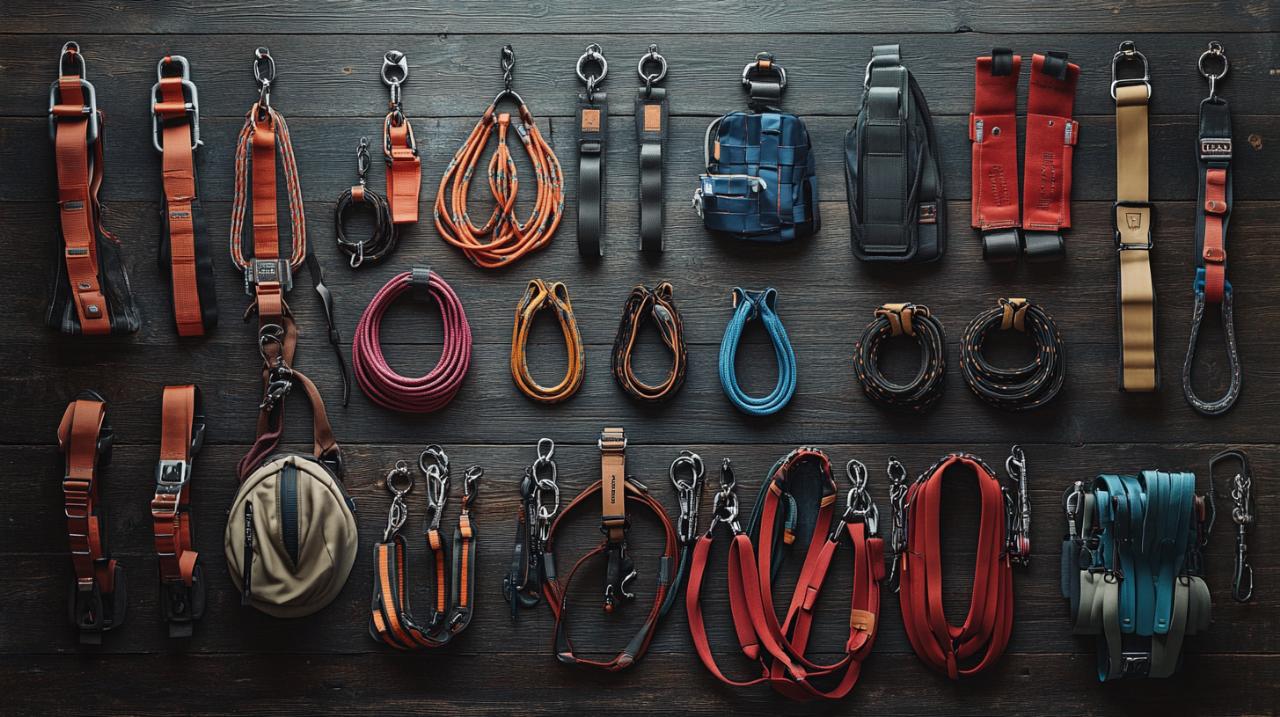
For those who rely on assistance dogs, selecting the right equipment is not simply a matter of preference but a crucial decision that impacts both the animal's wellbeing and the handler's safety. The bond between a working canine and its handler is built on trust, communication, and comfort, and the tools they use daily play a significant role in maintaining that relationship. From busy high streets to quiet country walks, the right harness, lead, and accessories ensure that assistance dogs can perform their tasks effectively whilst remaining comfortable and secure throughout their working day.
Understanding the Importance of Proper Fitting Equipment for Working Canines
Why Comfort and Safety Must Go Hand-in-Hand for Assistance Animals
When it comes to assistance dogs, the equipment they wear is far more than just a functional necessity. A well-fitted harness helps the handler to maintain control, ensures the dog's comfort and safety, and facilitates effective communication between dog and handler. The vest or harness also serves as a clear signal to the public that the dog is working and should not be disturbed, allowing the animal to focus on its vital tasks without unwanted distractions. Whether the dog is providing mobility support, guiding someone with visual impairment, or offering psychiatric assistance, the right equipment can make all the difference in their ability to work confidently and effectively.
Comfort is paramount for working dogs who may wear their harnesses for extended periods. Adjustable straps and padding are important features that prevent rubbing or pinching, which could cause discomfort or even injury over time. Reflective elements enhance visibility and safety, particularly during early morning or evening walkies when natural light is limited. The choice of material and durability also plays a critical role, as assistance dogs often work in challenging environments where their equipment must withstand daily wear and tear. Custom-fitted harnesses offer a perfect fit and can be adjusted for specific tasks, ensuring that each dog has equipment tailored to its unique size, breed, and working requirements.
Measuring Your Dog Correctly: A Guide to Finding the Right Size
Finding the right size harness begins with accurate measurements of your dog. Harnesses come in sizes for tiny, small, medium, large, and giant dogs, and individual pieces for the harnesses are also available in different sizes to ensure a truly bespoke fit. Measuring your dog correctly involves taking note of the chest girth, the distance around the widest part of the ribcage, and the length from the base of the neck to the start of the tail. These measurements help to determine which size will provide the snug yet comfortable fit necessary for a working animal. It is essential to ensure that the harness does not restrict movement or breathing, whilst still being secure enough to prevent the dog from slipping out.
When putting on the vest or harness, ensuring the dog is calm is crucial. Once the harness is in place, adjusting straps for a snug fit and checking buckles to ensure there is no rubbing or pinching will help to guarantee the dog's comfort. Regular inspections for damage and timely repairs or replacements are part of proper usage and maintenance, ensuring that the equipment remains safe and effective over time. Many suppliers, such as PerfectFit UK, have been making products with premium materials since two thousand and four, offering expertise and quality that handlers can trust.
Essential Features to Look for When Selecting Leads and Collars
Material Quality and Durability for Daily Walkies
The material and construction of leads and collars are critical considerations for anyone choosing equipment for their assistance dog. Strong materials and tough hardware are essential for large breeds or dogs that provide mobility assistance, where the equipment must support the handler's weight or withstand significant force. Leather harnesses have long been popular for their durability, although some handlers find them heavy and hard to clip, particularly when managing the dog in busy or confined spaces. Modern alternatives made from high-quality synthetic fabrics offer a lighter option without compromising on strength, and many feature easy-to-use buckles and straps that simplify the process of fitting and removing the harness.
Durability is not just about strength; it is also about how well the equipment holds up to regular cleaning and exposure to the elements. Cleaning the vest or harness according to the washing label is an important part of maintenance, ensuring that dirt, mud, and other debris do not compromise the fabric or fastenings. For dogs working in rural areas or during inclement weather, materials that dry quickly and resist water absorption can be particularly beneficial. The choice of lead is equally important, with options ranging from traditional leather to modern webbing designs, each offering different benefits in terms of grip, flexibility, and ease of use.
Adjustability and Secure Fastenings: Preventing Escape and Injury
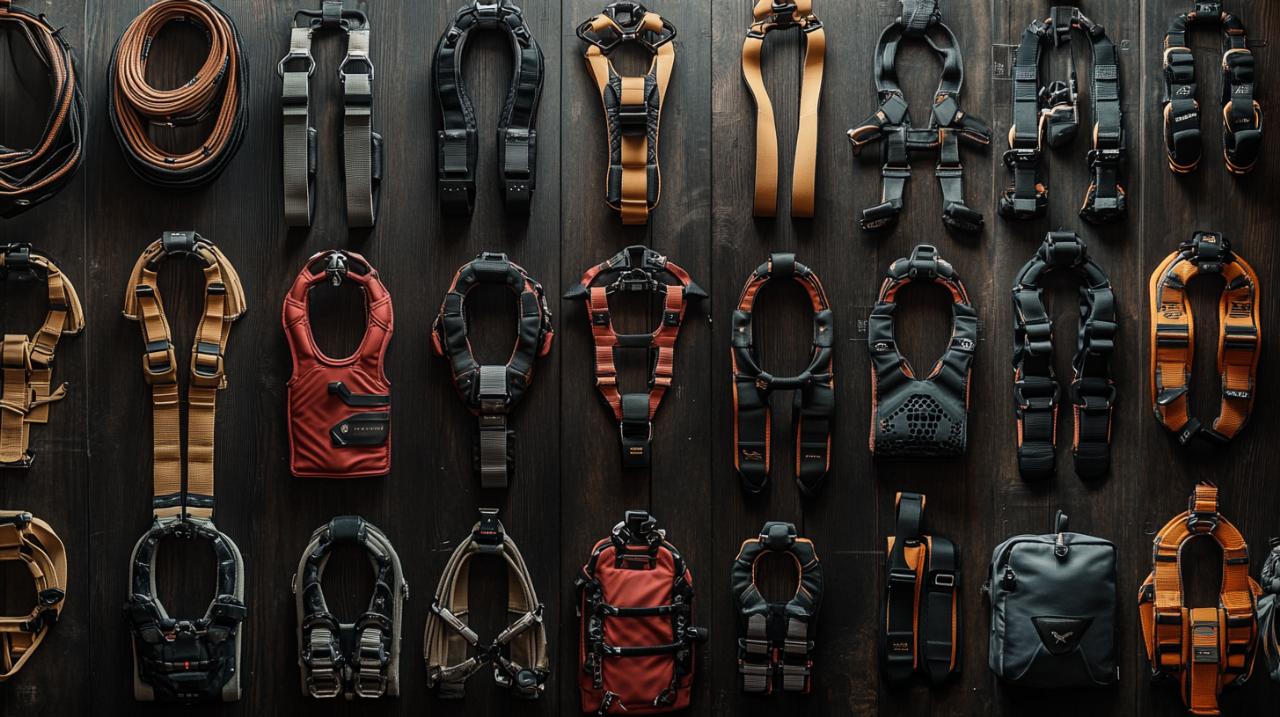
Adjustability is a key feature in any harness or collar, allowing handlers to achieve the perfect fit for their dog's unique shape and size. Adjustable straps ensure that the harness can be adapted as the dog grows or if its body condition changes, whilst also accommodating different layers of clothing or protective gear the handler may need the dog to wear. Secure fastenings, including robust buckles and clips, are essential to prevent the dog from escaping or the harness from coming loose during work. No-pull or front-clip harnesses are recommended for dogs that may exhibit pulling behaviour, as these designs distribute pressure more evenly across the chest and discourage pulling without causing discomfort.
Soft padding around the chest and shoulders is another important consideration, particularly for dogs that work long hours or provide physical support to their handlers. Padding helps to prevent chafing and pressure sores, ensuring that the dog remains comfortable even during extended periods of wear. Handlers should also look for harnesses that allow easy access for veterinary checks, with fastenings that can be quickly opened without causing stress to the dog. Task-specific design is crucial, as different types of assistance work require different features. Mobility harnesses, for example, aid people with mobility issues and may include handles for stability and reassurance, whilst guide dog harnesses help visually impaired people navigate and feature a rigid handle that conveys subtle movements and directions.
Complementary accessories that enhance your assistance dog's working life
Identification tags, reflective strips, and visibility enhancements
Identification and recognition as a working animal is one of the primary benefits of a well-designed vest or harness. Clear signage and patches indicating the dog's role help to ensure access to public spaces where pets are not allowed, reducing the likelihood of challenges from staff or members of the public. Identification tags should include the handler's contact details and any relevant medical information about the dog, providing peace of mind in the event that the dog and handler become separated. Reflective strips and visibility enhancements are vital safety features, particularly for dogs working in low-light conditions or near busy roads. These elements ensure that both dog and handler are easily seen by motorists and pedestrians, reducing the risk of accidents.
Some harnesses also feature pockets and compartments that allow handlers to carry essential items such as medical supplies, treats, or waste bags, making it easier to manage the dog's needs whilst out and about. These practical additions can be particularly useful for handlers with limited mobility, who may find it challenging to carry additional bags or equipment. The balance assistance harness, for example, is designed to help people with balance issues and offers handle options for stability and reassurance, along with customisation available for fit and accessories. Such harnesses feature counterbalance, momentum pulling, communication assistance, and help with getting up, providing comprehensive support for both dog and handler.
Storage Solutions and Practical Add-Ons for Handlers
In addition to the harness itself, a range of complementary accessories can enhance the working life of assistance dogs and make the handler's role easier. Leads come in various lengths and styles, from short traffic leads for navigating crowded areas to longer training leads for recall practice in open spaces. Many handlers find it useful to have multiple leads for different situations, allowing them to choose the most appropriate option for the task at hand. Accessories such as treat pouches and lick mats can be valuable training aids, helping to reinforce positive behaviours and keep the dog engaged and motivated during training sessions.
Storage solutions, including dedicated bags and clips for leads and accessories, help handlers to keep their equipment organised and easily accessible. Some suppliers offer tactical vests and related products from retailers such as ForDogTrainers.com, which provide additional options for handlers who require more robust or specialised equipment. For those seeking advice or custom solutions, businesses such as PerfectFit can be contacted on oh one six eight four five six nine five five three, and they operate Monday to Thursday from half past nine in the morning until five in the afternoon, and Friday from half past nine until four. With a customer rating of four point nine out of five based on five thousand four hundred and sixty-nine reviews, such suppliers demonstrate a commitment to quality and customer satisfaction that gives handlers confidence in their choices. As the field of assistance dog equipment continues to evolve, evidence-based practice and input from handlers themselves are helping to drive improvements in design and functionality, ensuring that working dogs have the best possible tools to support them in their vital roles.