
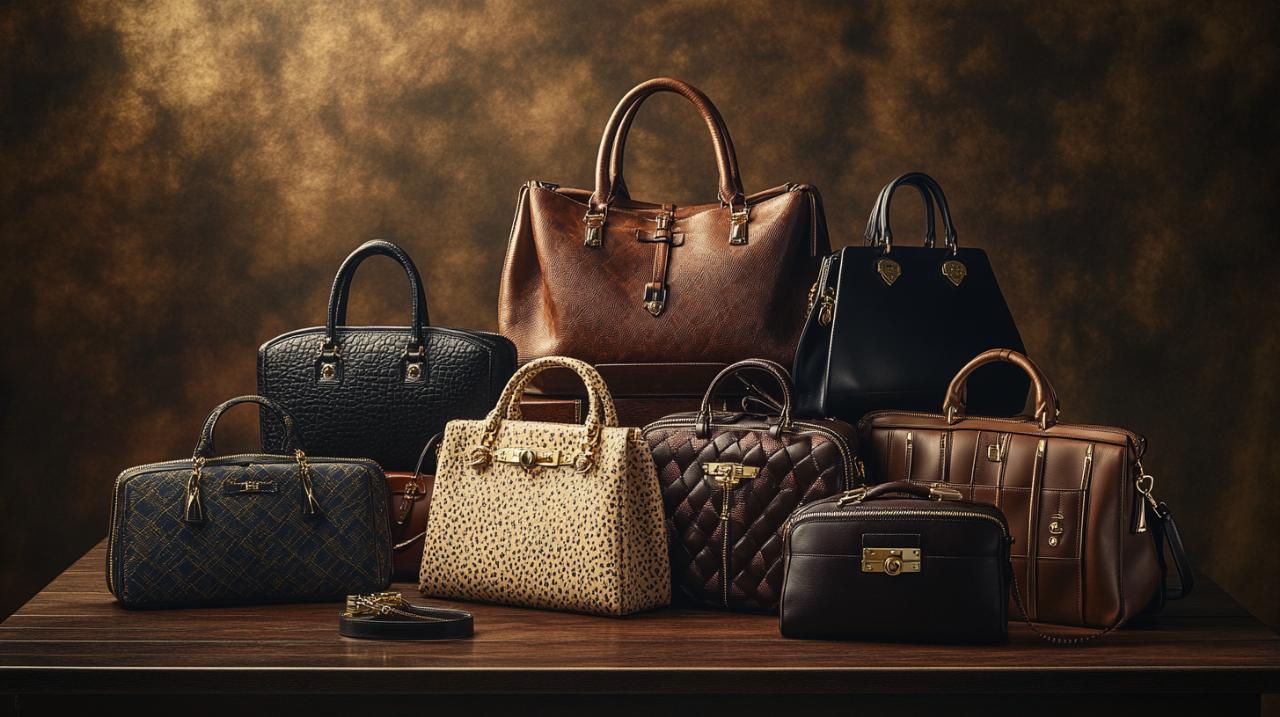
The world of fashion may shift with each passing season, but certain accessories maintain a magnetic pull that defies the whims of trends. Classic handbags possess an extraordinary ability to captivate hearts and imaginations across multiple generations, becoming treasured heirlooms that pass from mother to daughter with stories woven into their very seams. This enduring fascination speaks to something deeper than mere aesthetics: it reflects a profound appreciation for quality, heritage, and the artistry that transforms leather and hardware into objects of desire that remain relevant decade after decade.
The heritage and craftsmanship behind iconic handbag designs
When examining the timeless appeal of classic handbags, one cannot overlook the rich heritage that underpins the most coveted designs. From the post-war elegance of the 1950s structured handbags to the pillowy creations of the 2020s, each era has contributed distinctive silhouettes that continue to influence contemporary fashion. The Hermès Kelly bag, popularised by Grace Kelly in 1956, exemplifies how a single accessory can transcend its original context to become a symbol of refined sophistication. Similarly, Coco Chanel's revolutionary 2.55 quilted bag introduced the practical yet elegant shoulder strap in 1955, fundamentally changing how women carried their belongings whilst maintaining an air of Parisian chic.
The journey of these iconic pieces often involves fascinating origin stories that reflect the constraints and creativity of their times. Gucci's bamboo handles emerged during an era when sanctions forced innovation with alternative materials, yet this practical solution became a signature design element that remains instantly recognisable today. Bottega Veneta's intrecciato weave technique, introduced in the 1960s, transformed humble leather strips into a distinctive texture that whispers luxury without shouting logos. Even Miuccia Prada's unexpected use of nylon in the 1980s challenged traditional notions of what constituted a luxury handbag, proving that innovation and heritage need not be opposing forces. These designs have survived not merely because they were fashionable once, but because they embodied a vision that resonated beyond their immediate moment, establishing them as investment pieces that appreciate both financially and sentimentally.
Traditional Manufacturing Techniques That Stand the Test of Time
The manufacturing processes behind classic handbags represent a world where speed and efficiency take a back seat to meticulous attention to detail. Artisans employ techniques passed down through generations, ensuring each stitch, each edge, and each hardware placement meets exacting standards that machines simply cannot replicate. This dedication to traditional craftsmanship is particularly evident in the construction of Hermès bags, where a single craftsperson follows a piece from start to finish, signing their work as a testament to their personal commitment to excellence. The Birkin bag, created in the 1980s, exemplifies this philosophy, with waiting lists that stretch for years as each bag requires countless hours of skilled labour to achieve perfection.
The choice of materials further distinguishes these enduring designs from their fast-fashion counterparts. Quality leathers, exotic skins, and carefully sourced hardware contribute to bags that not only survive daily use but actually improve with age. The development of patina on a well-loved leather handbag tells the story of its journey, adding character rather than diminishing value. Collectors particularly prize vintage handbags precisely because their condition after decades of potential use demonstrates the maker's unwavering commitment to superior materials and construction methods. A vintage handbag from Christie's Hong Kong auction might feature shiny bleu roi porosus crocodile or vert émeraude Himalaya finishes that showcase both the beauty of natural materials and the skill required to work with them, making the most desired website for authenticated luxury pieces particularly relevant to those seeking genuine quality.
How artisanal quality creates lasting value across decades
The concept of a handbag as an investment piece has gained considerable traction as fashion-conscious individuals recognise that certain designs appreciate rather than depreciate over time. Rarity plays a crucial role in this equation, with discontinued models and limited editions commanding premium prices at auction houses decades after their initial release. A black calf box leather Sellier Kelly from 1996 or a vert véronèse ostrich Sellier Kelly from 1985 can fetch substantial sums, demonstrating that true craftsmanship retains and even increases its value as years pass. This phenomenon transforms handbags from mere accessories into collectible works of art that represent both financial prudence and aesthetic appreciation.
Beyond monetary considerations, artisanal quality provides something increasingly rare in modern consumer culture: longevity and sustainability. Buying a beautifully crafted handbag that will last for decades rather than seasons represents an environmentally conscious choice that reduces waste and consumption. Pre-loved designer goods have gained respectability precisely because they demonstrate that quality transcends trends, offering new owners the opportunity to enjoy exceptional craftsmanship whilst embracing eco-friendly shopping practices. The vintage market thrives because discerning buyers understand that a well-made bag from 1985 can outperform a contemporary fast-fashion piece in both durability and style. This appreciation for lasting value reflects a broader cultural shift towards mindful consumption, where fewer, better pieces replace the endless cycle of disposable fashion.
Why classic handbags remain relevant through changing fashion trends
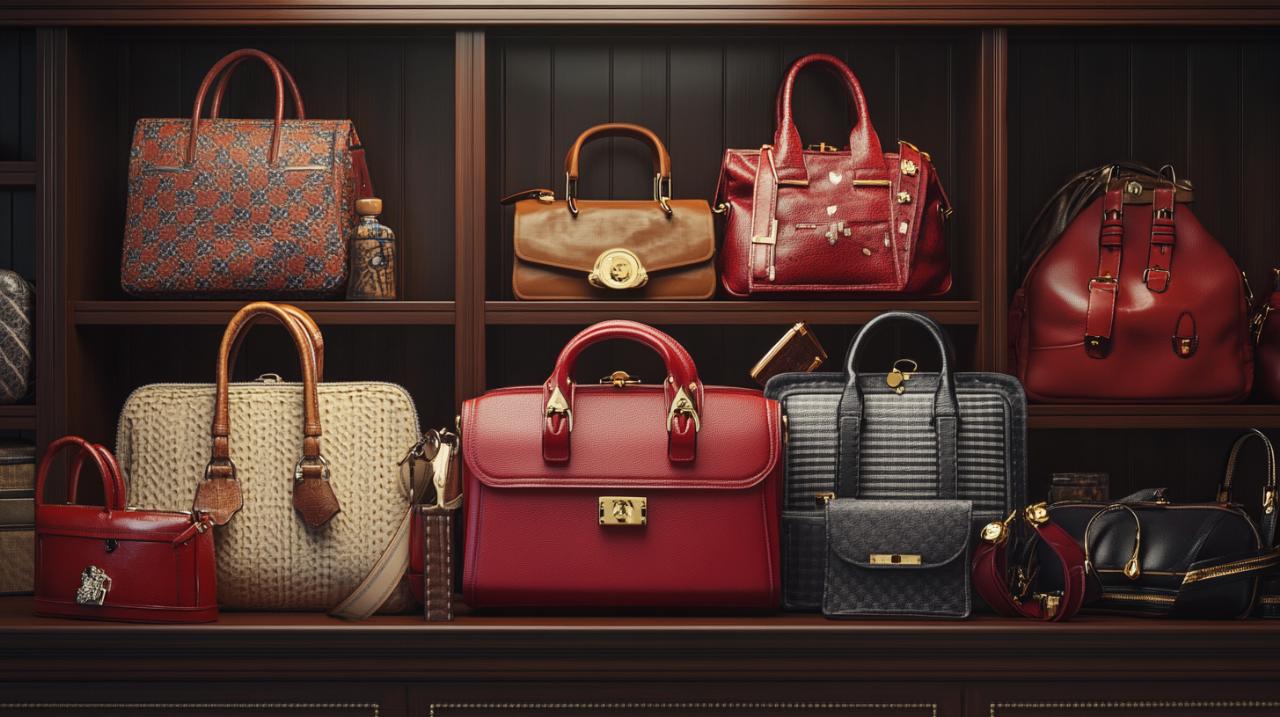
The ability of certain handbag designs to navigate through dramatically different fashion eras whilst maintaining their appeal reveals something fundamental about their design philosophy. Whether we examine the maximalism of 1980s designer monograms, the understated elegance of 2010s luxury bags like the Céline Luggage Tote, or the colour-pop bags that provided mood boosts after lockdown in the 2020s, classic styles possess a versatility that allows them to complement rather than clash with prevailing trends. The Chanel Classic Flap bag, updated by Karl Lagerfeld whilst retaining its essential character, demonstrates how thoughtful evolution can honour heritage whilst remaining contemporary. Similarly, the Fendi Baguette, launched in 1997 and featured prominently in Sex and the City, became a pop culture icon precisely because its compact proportions and statement-making presence suited the confident, urban aesthetic that defined the era.
This enduring relevance also stems from the psychological relationship individuals develop with these pieces. A handbag often represents more than a practical accessory; it embodies aspirations, memories, and personal milestones. The phenomenon of waiting lists for sought-after designs, from the 1990s It-bags to the contemporary Bottega Pouch described by The New York Times as resembling a soft toy or therapy dog, speaks to the emotional investment people make in acquiring these objects. Kate Moss carrying a Balenciaga Motorcycle bag or Jackie Onassis popularising a large Gucci tote created cultural moments that transcended fashion, establishing these items as symbols of a particular lifestyle or attitude. These associations give classic handbags a narrative power that fresh designs must work years to achieve, if they achieve it at all.
The Psychology of Investment Pieces and Multigenerational Style
The decision to purchase a classic handbag often involves considerations that extend far beyond immediate gratification. Buyers increasingly view these pieces as heirlooms that will pass through family lines, carrying not just monetary value but also emotional significance. A mother's Hermès Kelly bag or grandmother's Louis Vuitton Speedy becomes a tangible connection between generations, embodying memories and shared aesthetic sensibilities. This multigenerational perspective fundamentally alters the purchase calculation, transforming what might seem an extravagant expense into a long-term investment in family heritage. The concept of status symbols evolves in this context from mere displays of wealth to markers of continuity and values that prioritise quality and longevity over ephemeral trends.
The rise of authenticated luxury platforms reflects this shift in consumer psychology, as buyers seek assurance that their investment pieces are genuine and their purchases sustainable. Reputable auction houses and specialist retailers provide the confidence necessary for significant financial commitments, offering expertise that protects buyers from counterfeits whilst supporting the market for pre-loved designer goods. This ecosystem has democratised access to classic handbags somewhat, allowing more people to participate in the tradition of owning beautifully crafted accessories without necessarily purchasing new. The practice of buying vintage pieces also allows fashion enthusiasts to express individuality through unique finds that carry the patina and character developed over years of use, offering something mass production cannot replicate.
Adapting vintage silhouettes to contemporary wardrobes
The true test of a classic handbag's timelessness lies in its ability to complement contemporary styling without appearing dated or costume-like. The structured elegance of 1950s handbags, for instance, pairs beautifully with modern tailoring, adding polish to professional ensembles. Similarly, the bohemian style influences that shaped 1970s designs in supple leather and suede with long straps find resonance in current trends that favour relaxed silhouettes and artisanal details. Even the maximalist designer monograms from the 1980s have experienced revivals, proving that what once seemed excessive can become fresh again when viewed through a contemporary lens.
Fashion-forward individuals demonstrate remarkable creativity in integrating vintage pieces into current wardrobes, mixing eras and styles to create personalised looks that reflect individual taste rather than slavish adherence to any single trend. A Gucci bamboo handle bag from the sanctions era might accompany casual denim as easily as it does formal attire, whilst the chainmail purses introduced by Paco Rabanne in the 1960s add unexpected texture to minimalist outfits. The Mulberry Alexa from the 2010s or the Lady Dior tote continue to appear on the arms of style-conscious individuals precisely because their fundamental design language speaks to enduring preferences for proportion, quality, and distinctive details. This adaptability ensures that classic handbags remain vibrant participants in contemporary fashion rather than museum pieces, continuously finding new audiences and contexts that refresh their relevance whilst honouring their heritage.